

AfCFTA and APAC E-Invoicing Models: Converging Paths in Digital Trade
The African Continental Free Trade Area (AfCFTA) is increasingly looking to Asia-Pacific e-invoicing models as it advances its digital trade infrastructure. With a combined GDP of approximately $3.4 trillion and representing over 1.3 billion people, AfCFTA's implementation of harmonized trade facilitation measures is closely observing the APAC region's progress in digital tax compliance.
AfCFTA's Digital Trade Ambitions
The AfCFTA, which began trading in January 2021 after entering into force in May 2019, encompasses 54 of the 55 African Union member states. A key focus of its implementation is the harmonization of trade facilitation measures, including customs digitization and VAT/GST compliance frameworks. The AfCFTA Protocol on Digital Trade, currently under negotiation, is expected to address cross-border digital transaction standards, including e-invoicing interoperability.
African policymakers and the AfCFTA Secretariat are studying APAC jurisdictions such as India, South Korea, and Singapore for their mandatory or near-mandatory e-invoicing regimes. These models are being considered as scalable solutions for developing economies within the AfCFTA framework.
APAC Models Influencing African Policy
India's GST e-invoicing mandate, introduced in October 2020 and extended to businesses with an annual turnover above INR 5 crore (approx. USD 600,000) as of August 2023, is frequently cited as a reference model. The phased implementation of India's e-invoicing system—starting with large taxpayers and progressively including smaller businesses—has demonstrated scalability, making it an attractive example for African nations.
South Korea's mandatory electronic tax invoice system (세금계산서) for all VAT-registered corporations, with plans to extend it to individual businesses, is another model under review. Similarly, Singapore's InvoiceNow network, based on the Peppol framework and promoted by IMDA as the national e-invoicing standard, is being examined for its interoperability and integration capabilities.
Within Africa, countries like Kenya, Egypt, Rwanda, and Nigeria are advancing their digital tax infrastructure. Kenya's eTIMS (Electronic Tax Invoice Management System), Egypt's mandatory e-invoicing system launched in 2020, Rwanda's EBM Phase 2, and Nigeria's FIRS e-invoicing pilot are all at various stages of implementation, reflecting a broader regional push toward digital compliance.
Related articles
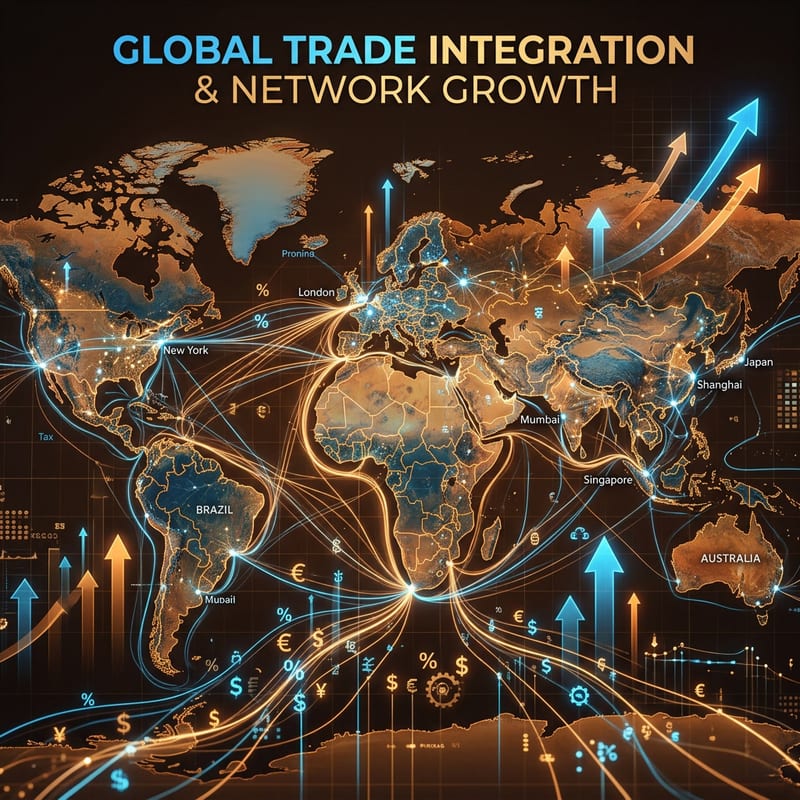
AfCFTA and VAT Digitization: Navigating Africa's E-Invoicing Future
AfCFTA's implementation faces hurdles in harmonizing diverse tax regimes, while member states independently advance VAT digitization efforts that must ultimately align with continental trade protocols.
Troubleshooting French E-Invoicing Directory Failures: A Pre-Deadline Guide
With France's mandatory B2B e-invoicing regime set to enforce full compliance in September 2026, businesses must urgently address directory failures that could block invoice transmission. This guide outlines the root causes of missing or incorrect entries and provides actionable steps to mitigate risks before penalties apply.
Redtech Certified for Nigeria's MBS E-Invoicing Platform
Redtech's dual certification as a systems integrator and access point provider for Nigeria's MBS platform highlights the expanding ecosystem of third-party vendors in the country's mandatory e-invoicing regime, offering businesses more options for compliance.